
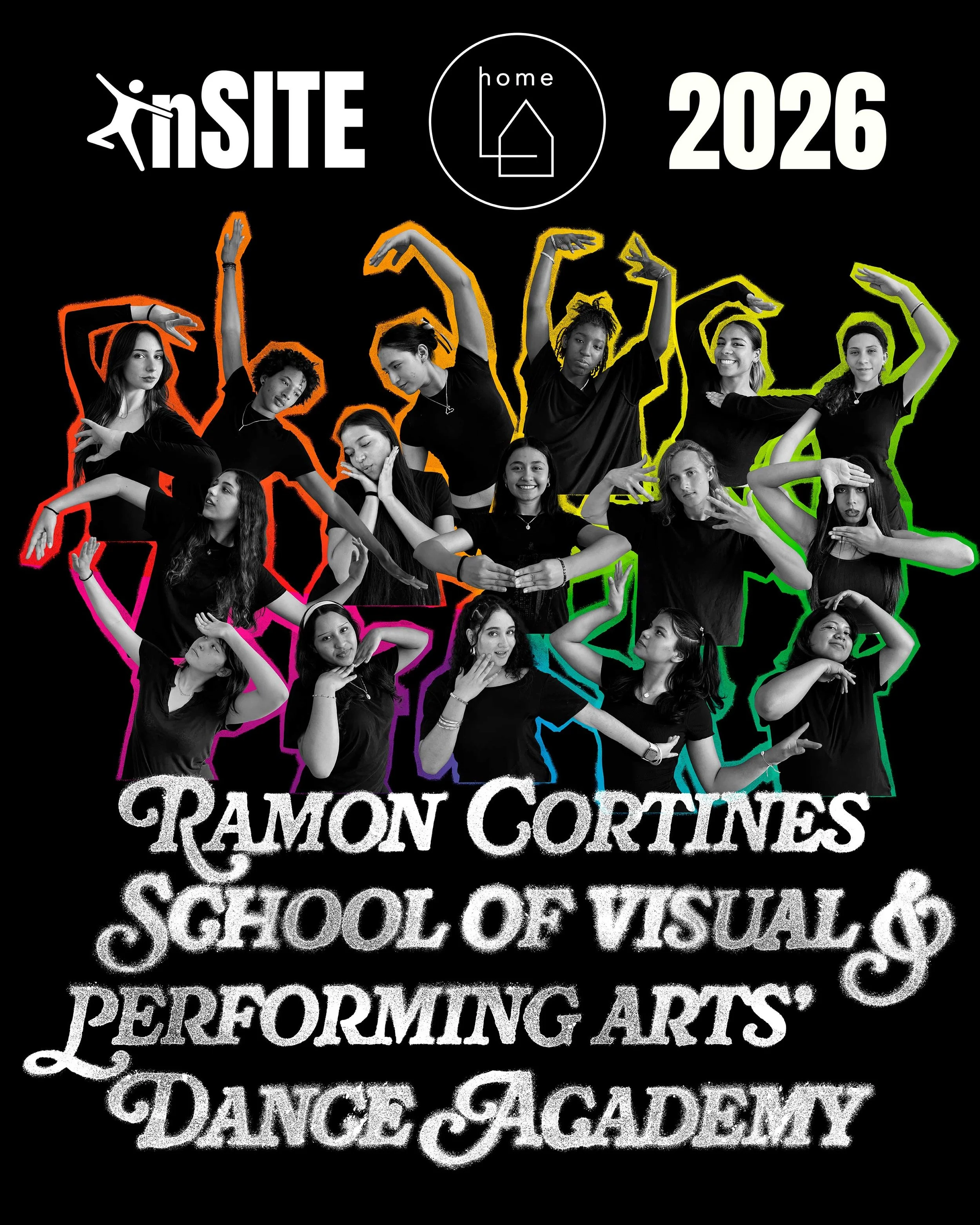
inSITE with Ramon Cortines School of Visual and Performing Arts’ Dance Academy , 2026
In April, homeLA began working in partnership with the Dance Academy at Ramon Cortines School of Visual and Performing Arts and the State Historic Park for inSITE 2026.
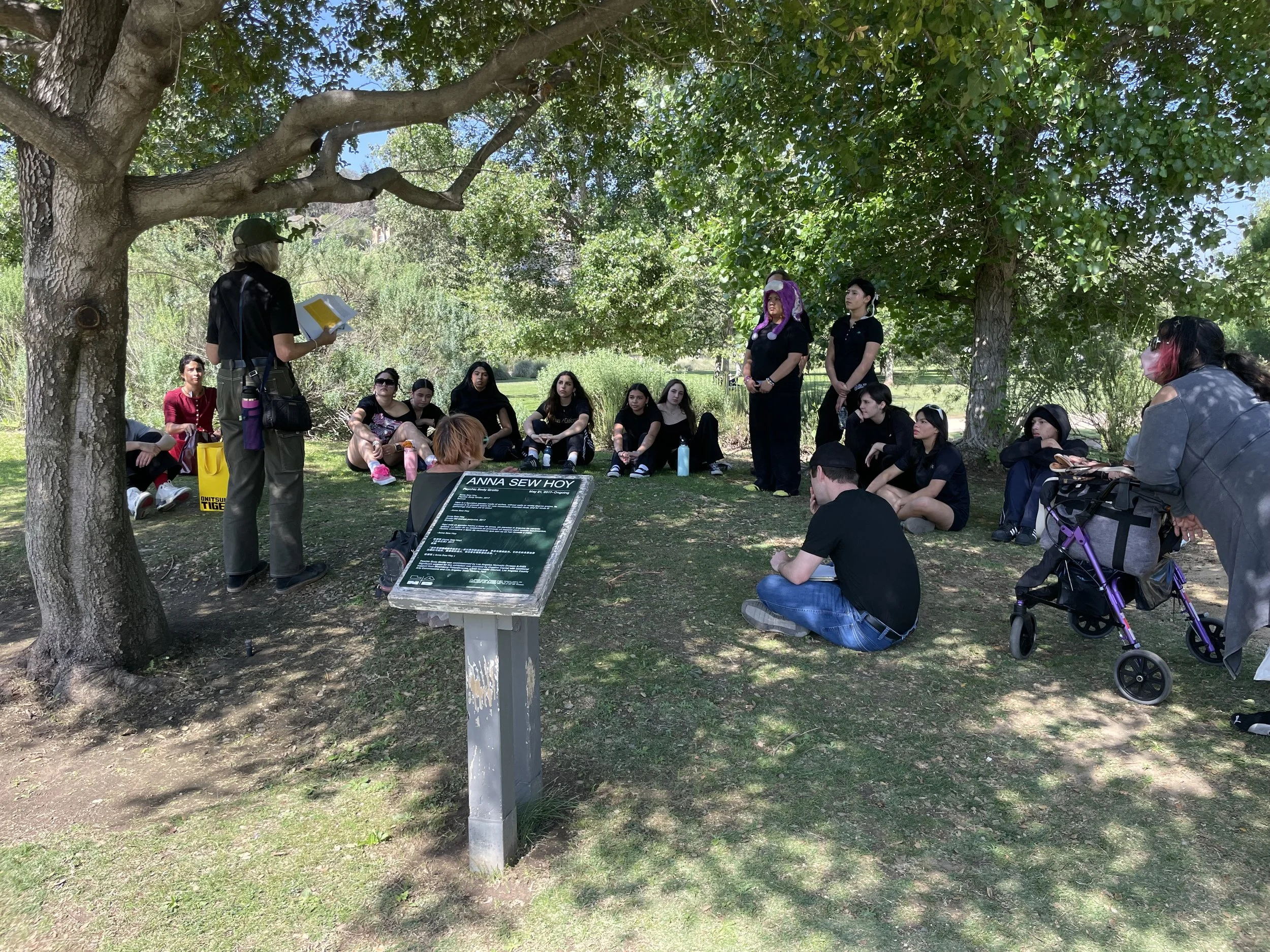
On their first day on site at the park, students joined Park Ranger, Stephanie Campbell, for a historical tour of the State Historic Park.
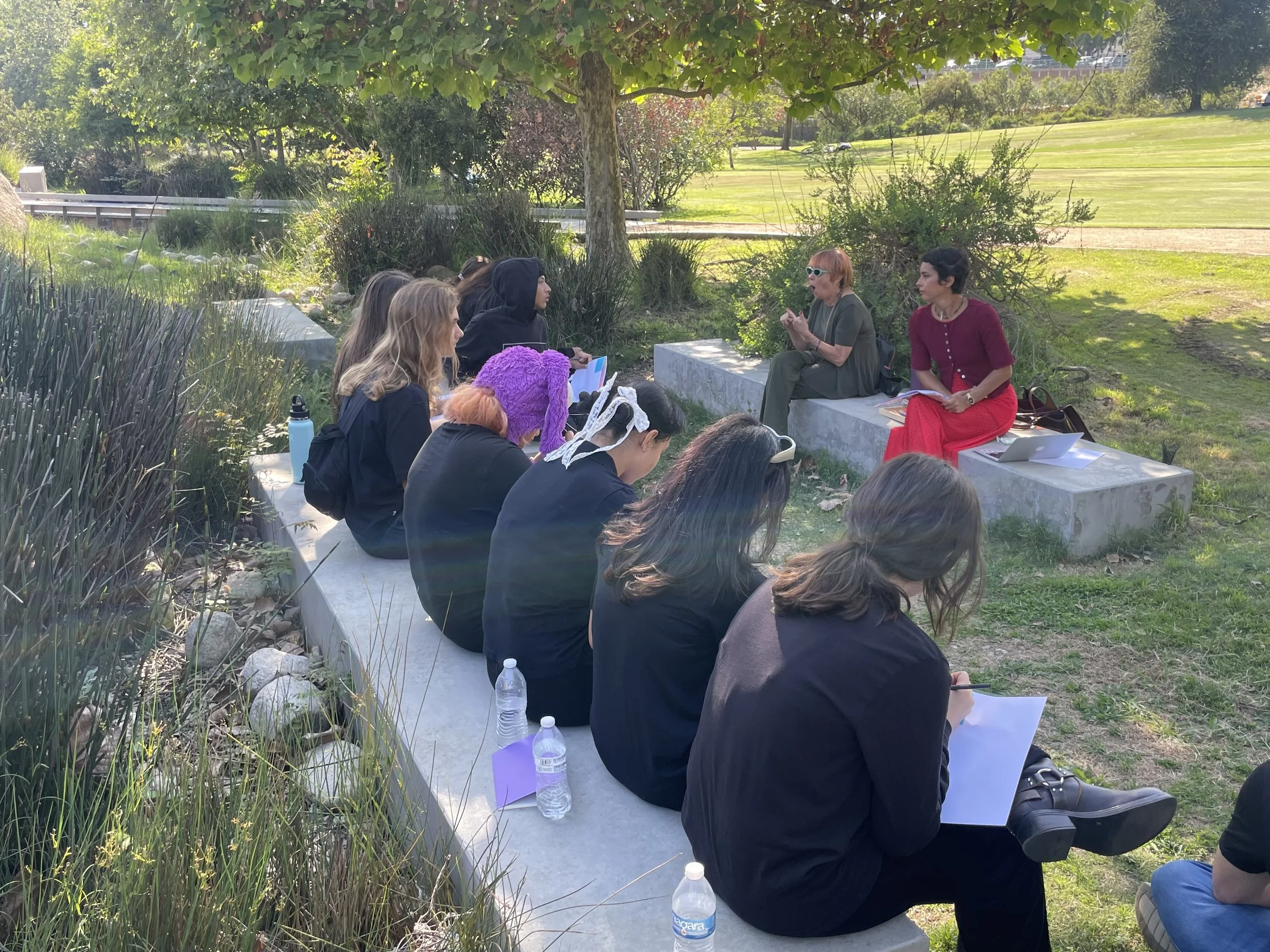
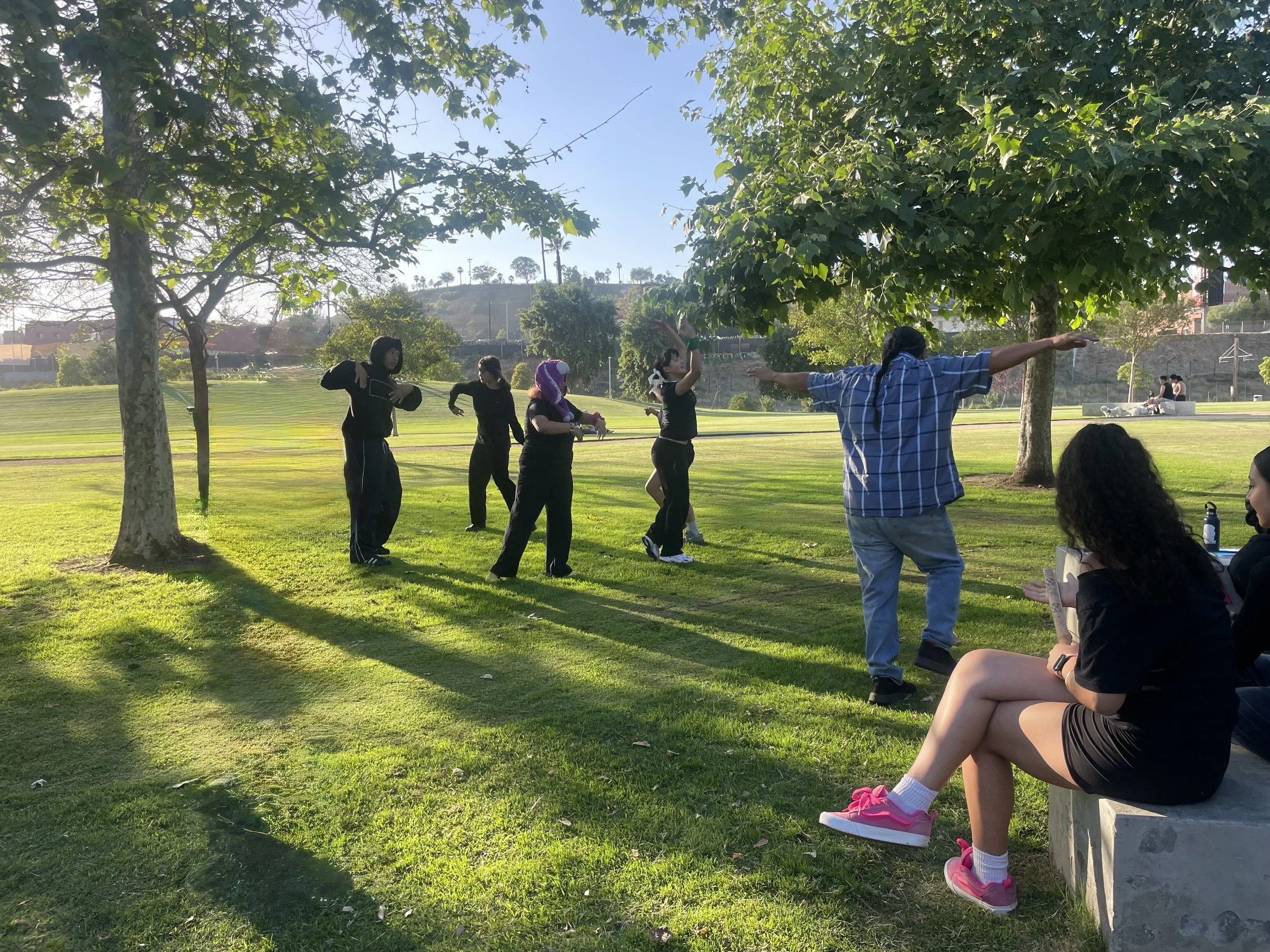
Tongva artists/cultural bearers, Megan Dorame (poetry) and Lazaro Arvizu (music), lead students in place-based creative exercises through sensory mapping, writing, storytelling, and movement to offer a meaningful Indigenous perspective and framework for site engagement.
Mona Jean Cedar provided ASL interpretation and homeLA’s accessibility advisor, Vanessa Cruz, was also on site.
On May 15, 2026, we celebrated the students of Grand Arts Dance Academy as they premiered new site-specific performances at Los Angeles State Historic Park. The work they created activated the site with much thoughtfulness, intention, and beauty. Congrats to them!
Recap video
Video and Photo Documentation
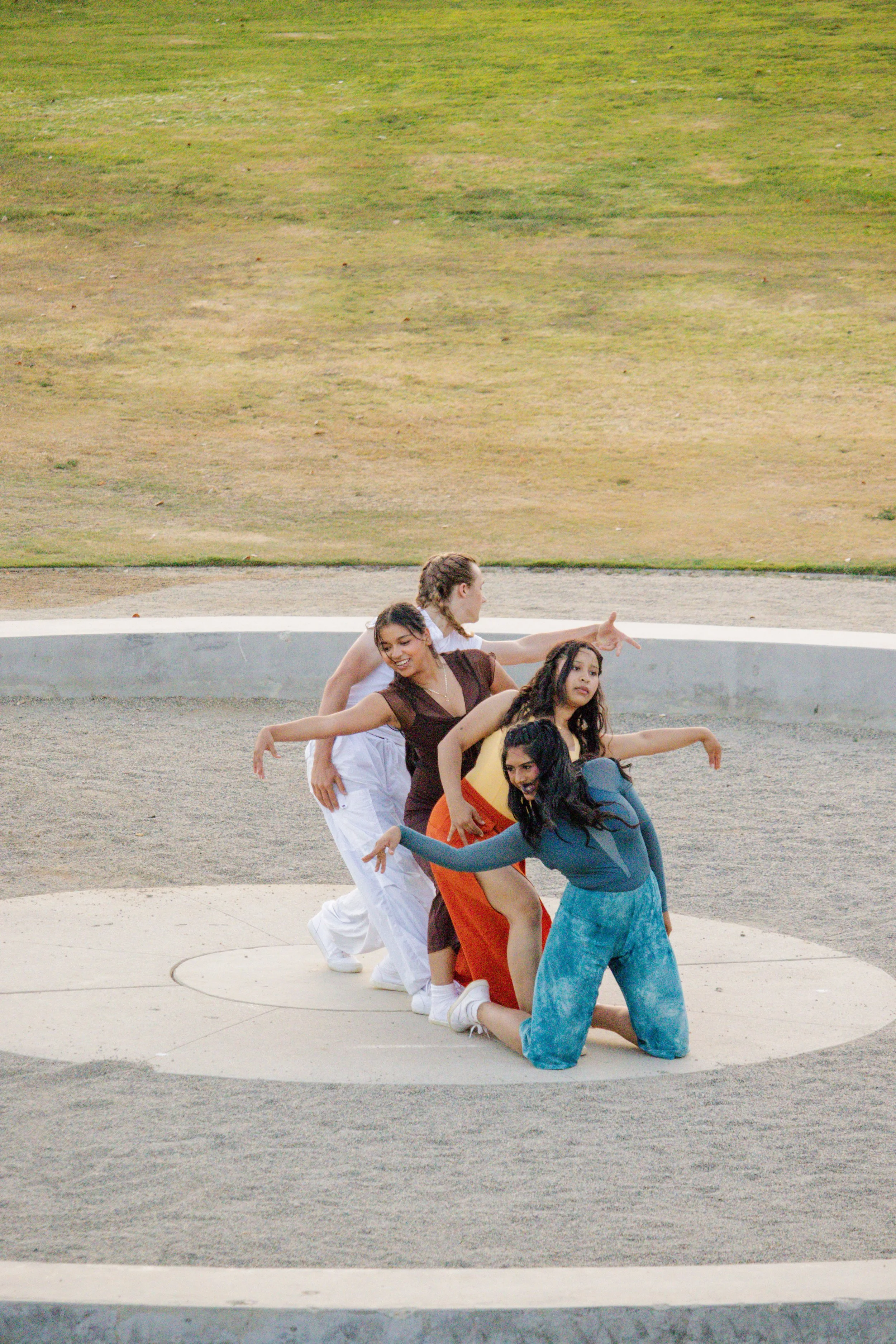
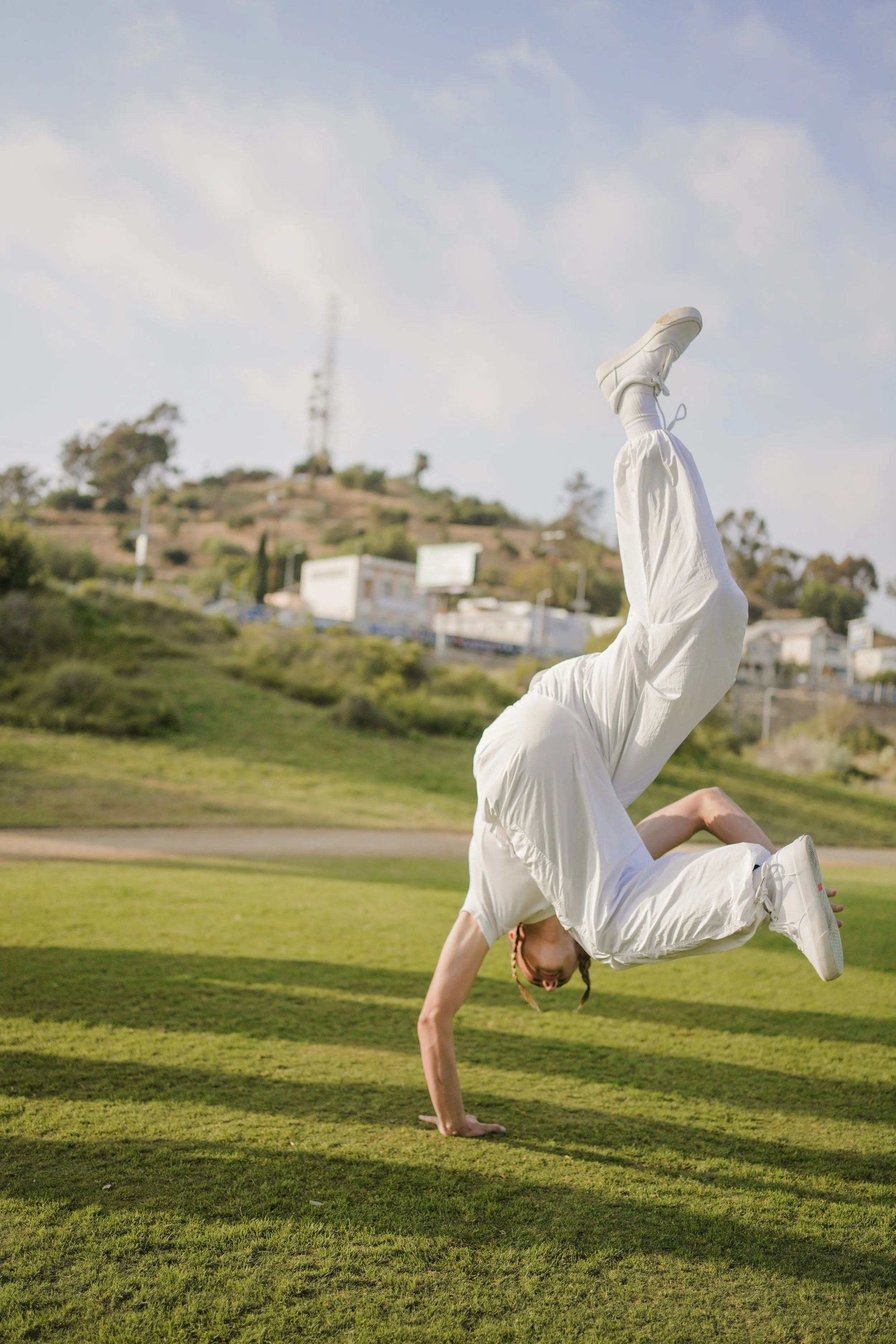
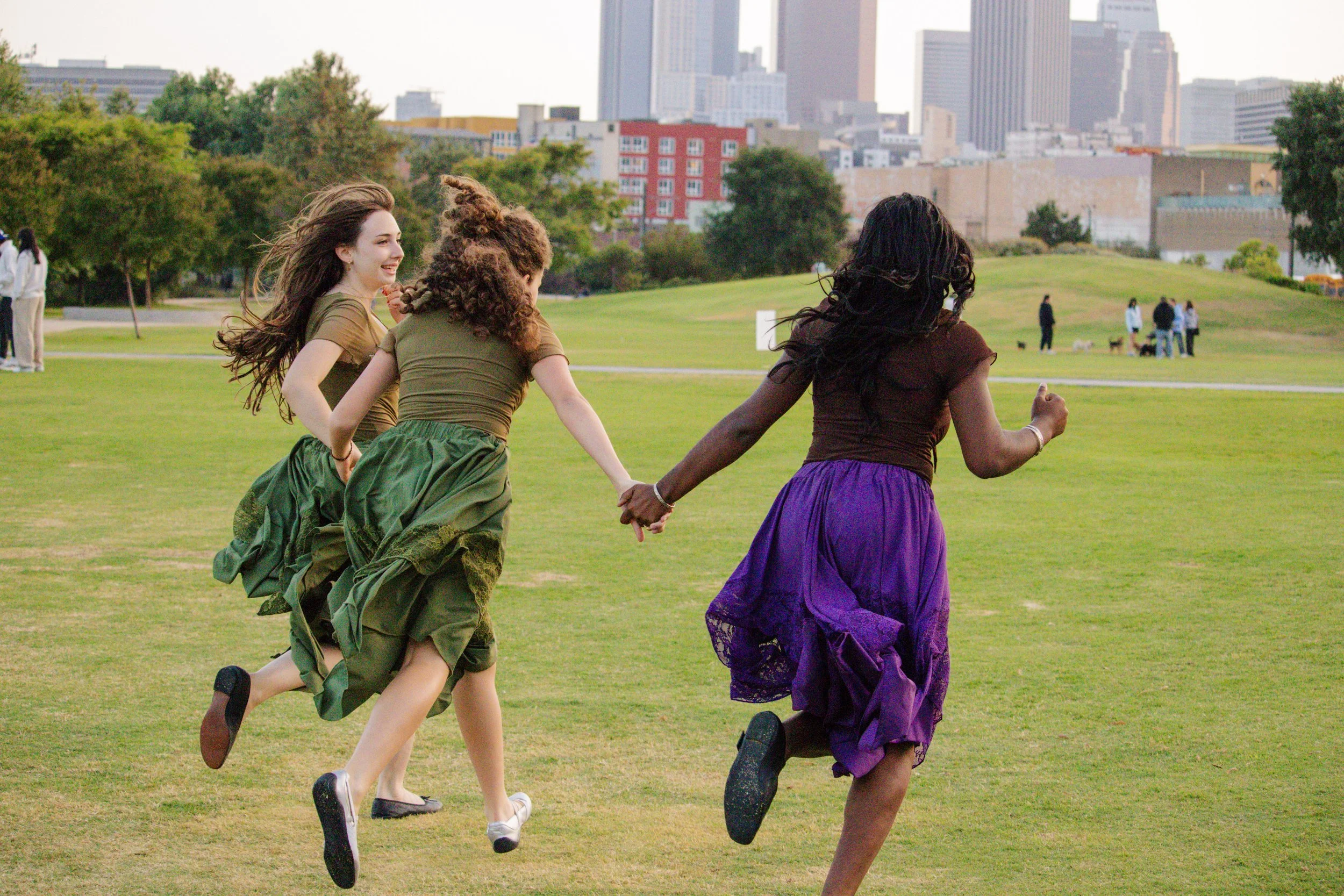
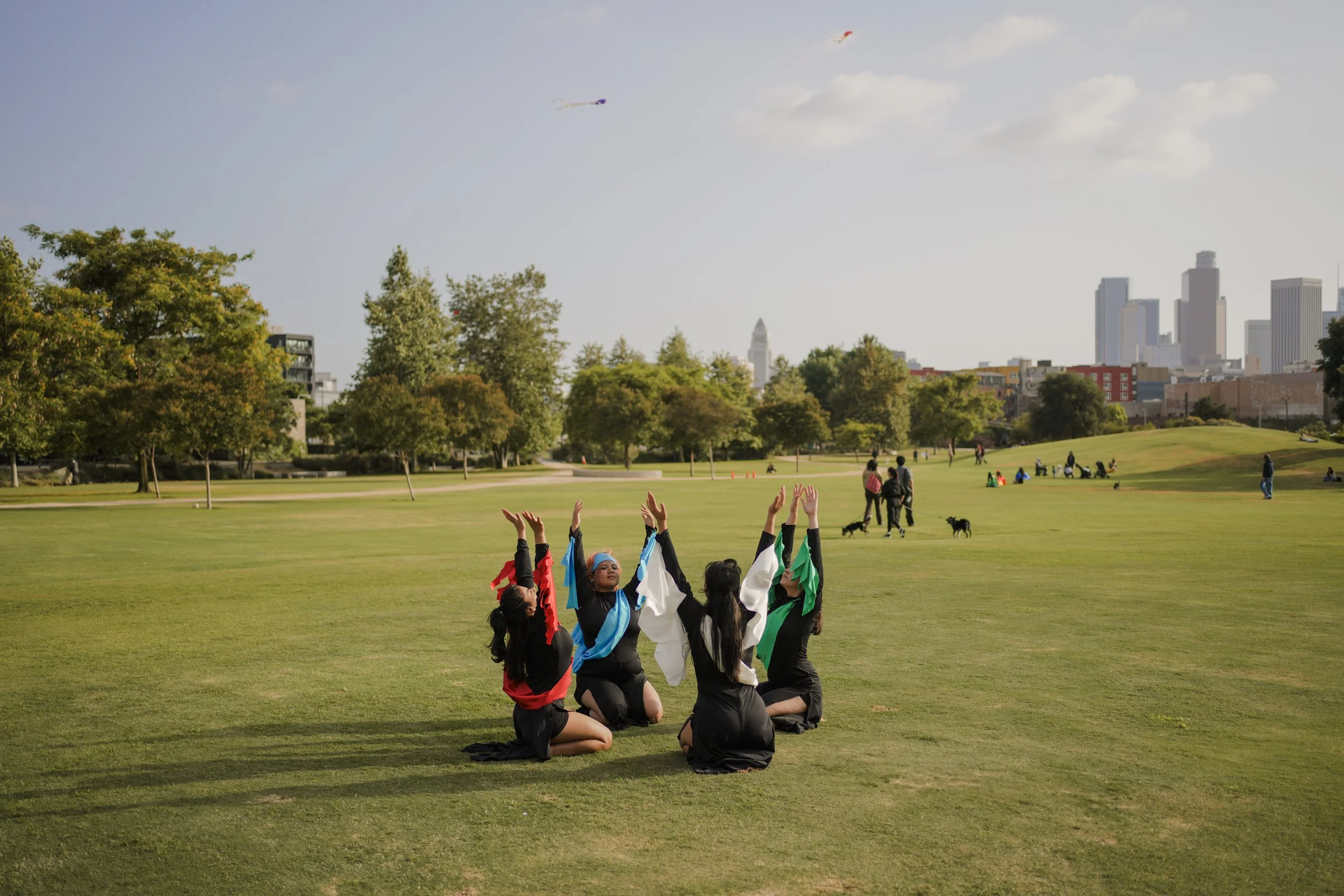
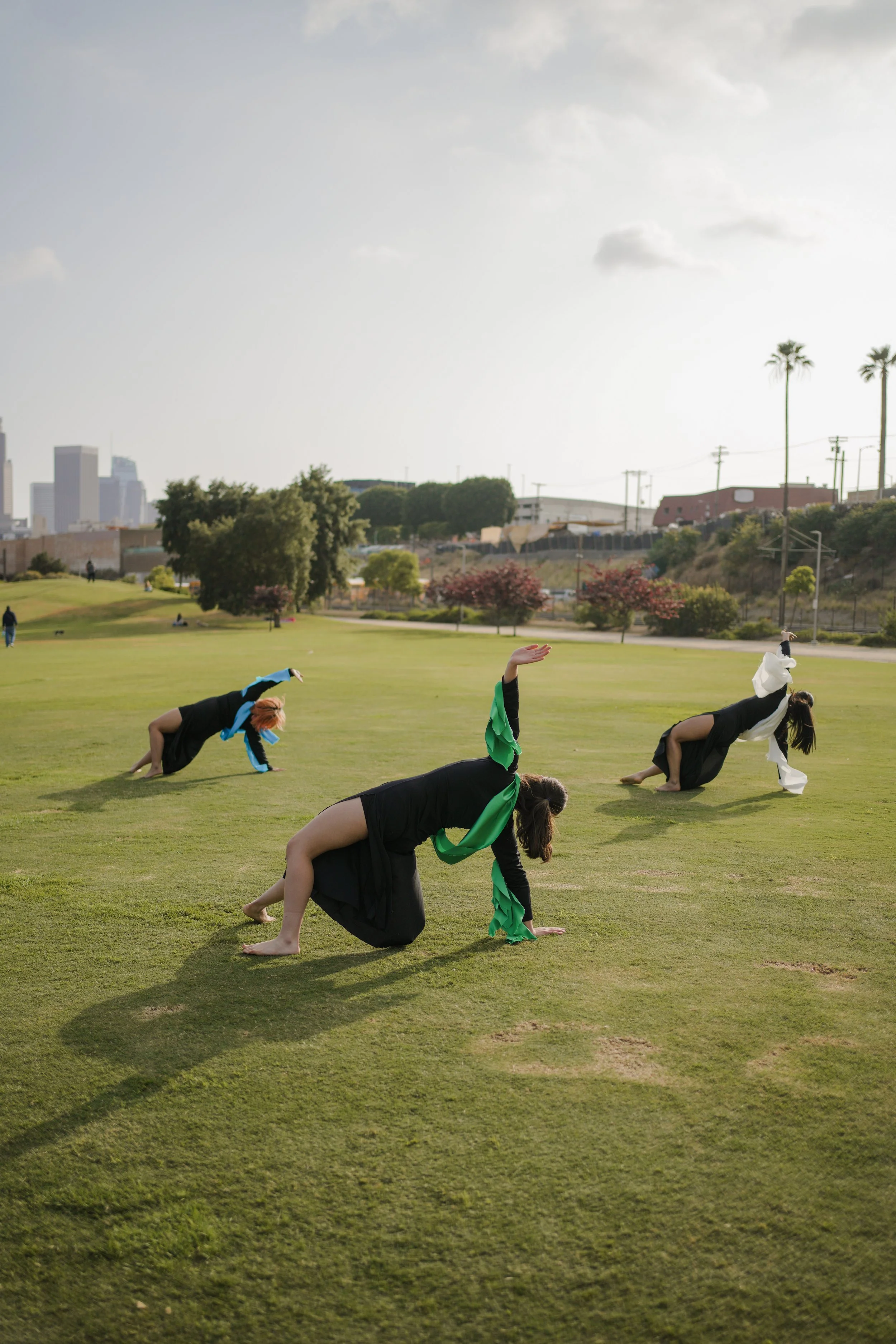
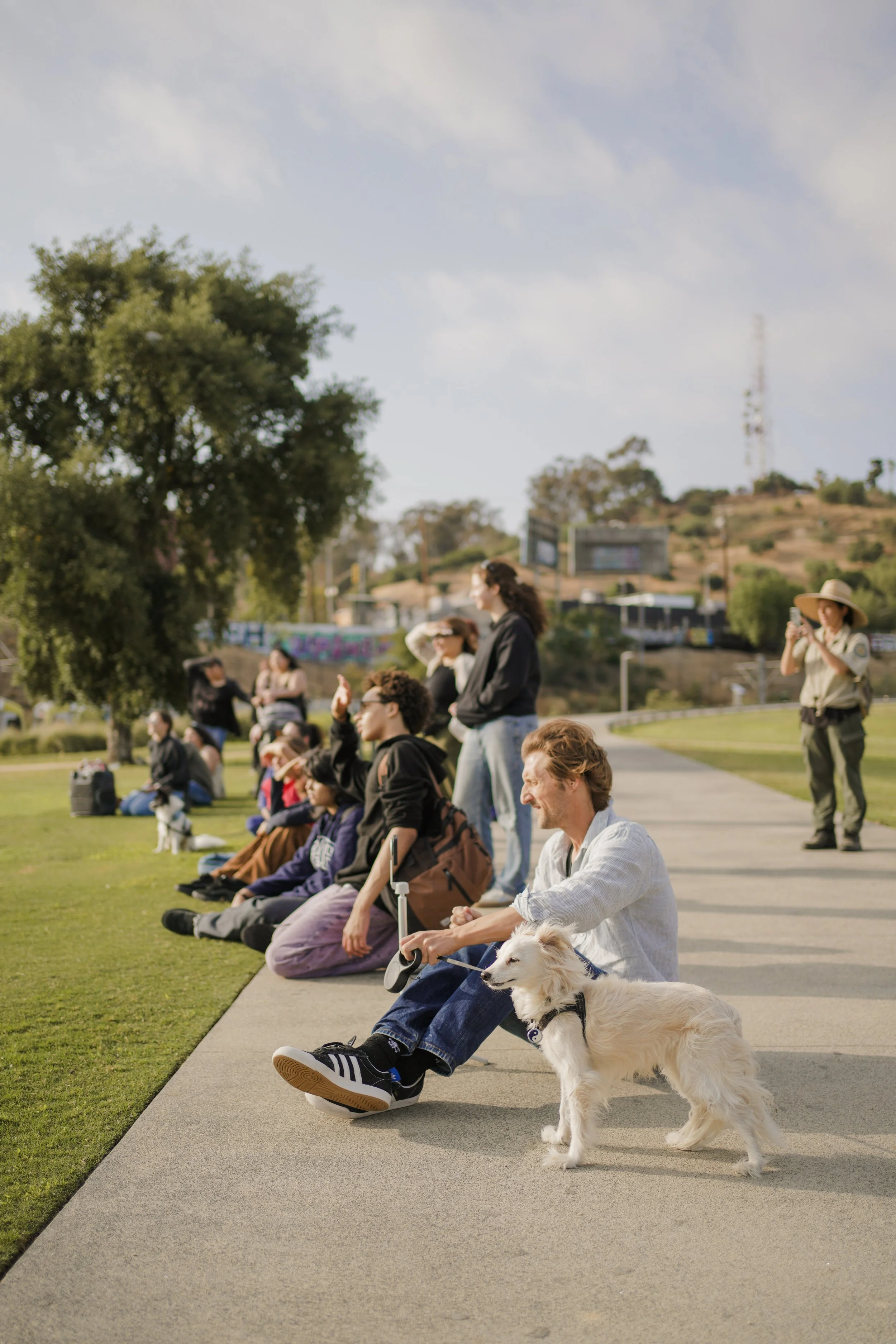
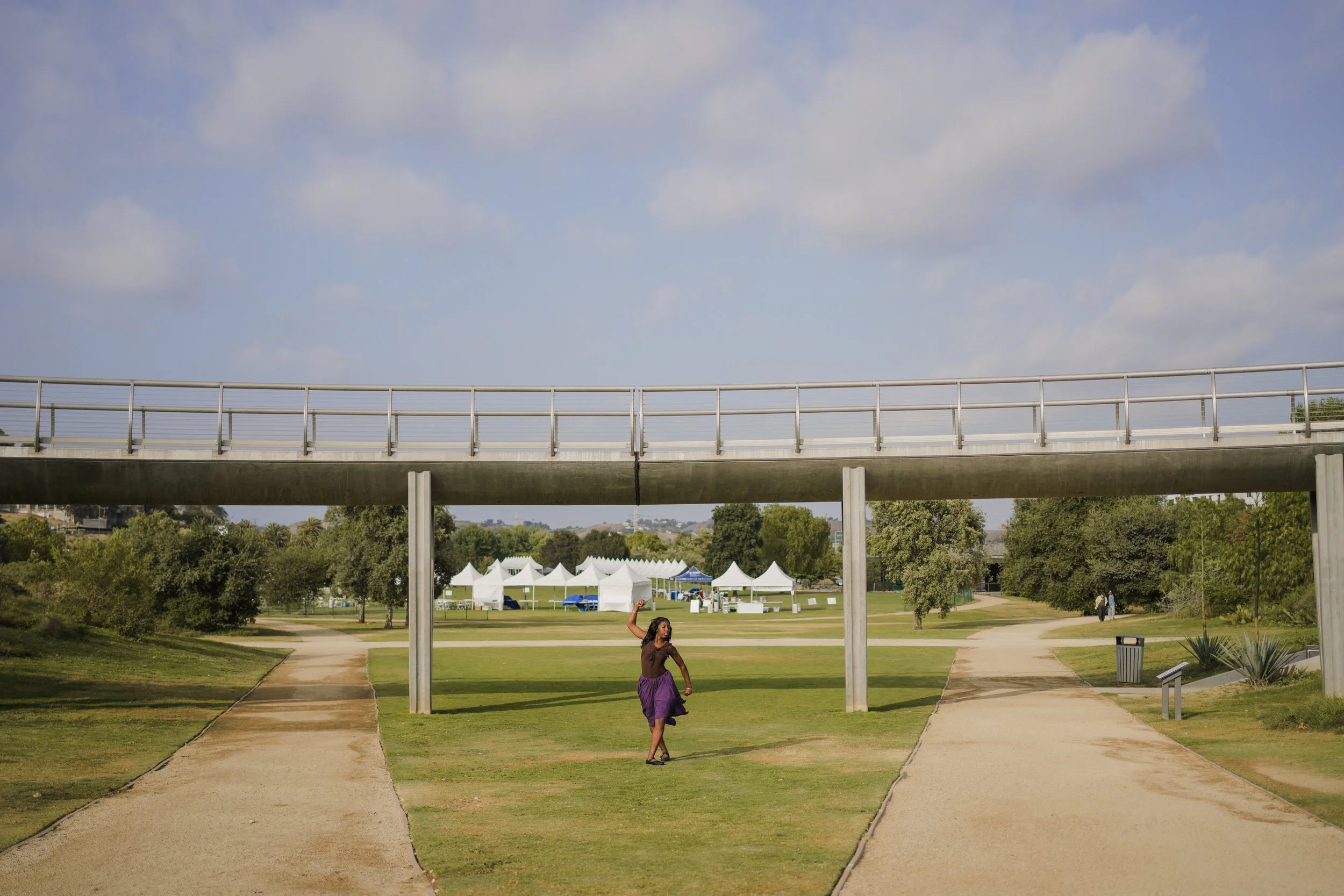
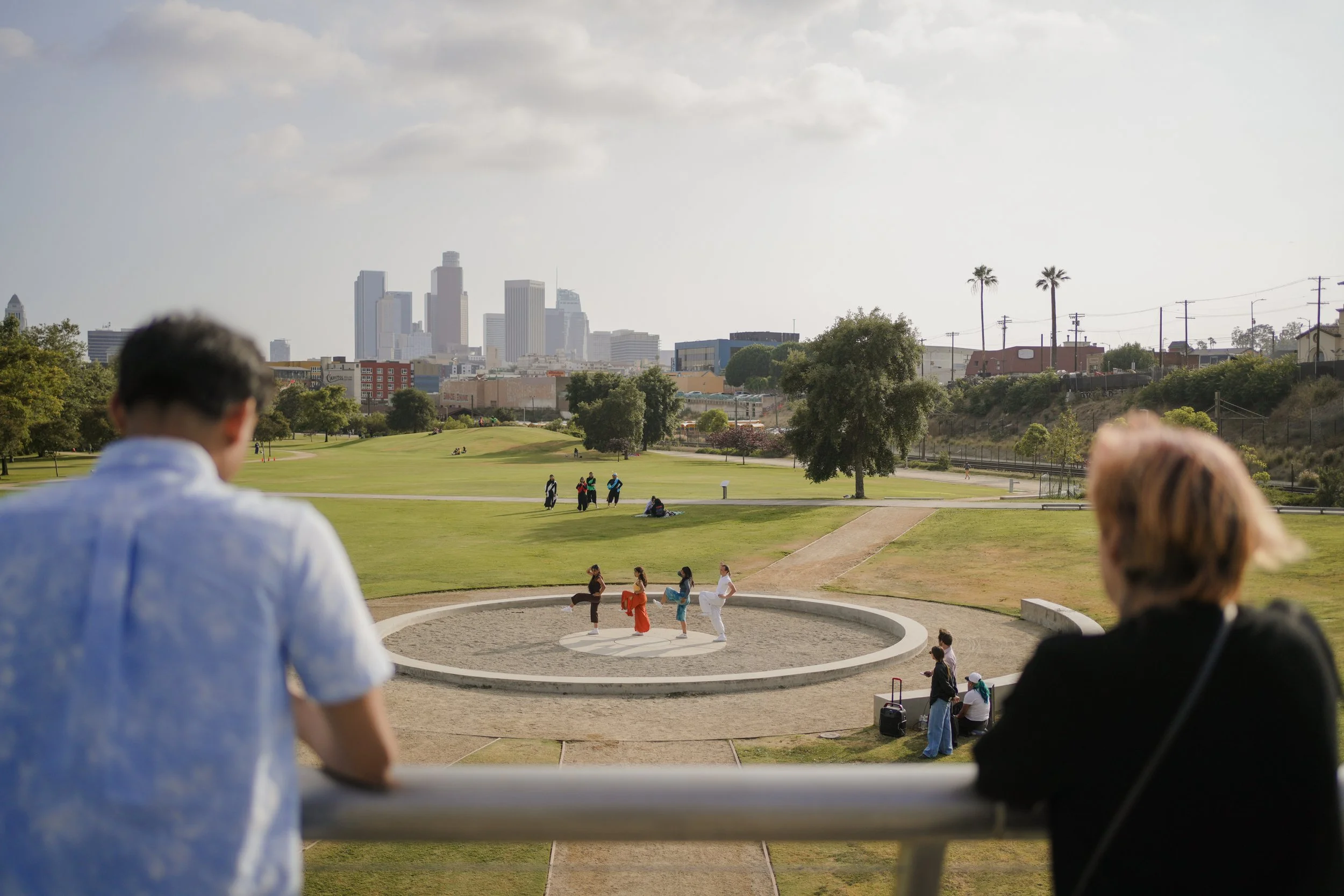
Student Performances
Motion Of The People
Choreography: Meylay Archila
Performers: Meylay Archila, Yulisa Merino, Daniela Villalobos, and Odin Rusch.
Music: Shamanic Drums, Native American Flute, Positive Energy, Healing Music. Remix edited by Yosef Marroquin.
Our dance piece reflects the strong sense of community connected to this historic park and the role it has played in bringing people together. The park was created as a space where people can freely express themselves through activities such as music, dance, and recreation. Through our performance, we aim to highlight how this space continues to encourage movement, creativity, and connection within the community.
Quaoar’s Children
Choreography: Ashley De La O Alvarez, Sofia Gomez Cuchia, Keiri Hermocillo Orozco, and Danna Paraqueimo
Performers: Ashley De La O Alvarez, Sofia Gomez Cuchia, Keiri Hermocillo Orozco, and Danna Paraqueimo
Music: “Wa’aach of the Tongva People” by Paul Hall, “True” by Spandau Ballet Instrumental, and “Work” by no na
Our dance represents the change in the park's history. In the beginning, the Tongva tribe and its people lived here with animals in peace, connecting with the principal elements: earth, air, fire, and water. Then, the people and animals were displaced so the railroad could be built. It was a hard time for everyone because they lost their homes and land. After the railroad was abandoned, it was transformed into the Los Angeles State Historic Park, where people go to have fun with family and friends. Our group wanted to organize three major events into a timeline for our dance. We worked on moving together as a community and putting emotions into our movements to show the different stages of our story. We are also representing the elements in our own way and interacting with the environment around us, such as the grass, air, and sun. The word Quaoar comes from Tongva mythology; he is the supreme creator deity who brought the world into existence through song and dance. Quaoar represents a force that brought order to chaos, creating the sky, earth, air, and all life. He also represents the continuance of Tongva culture and spirituality as they endured colonization and the loss of their lands.
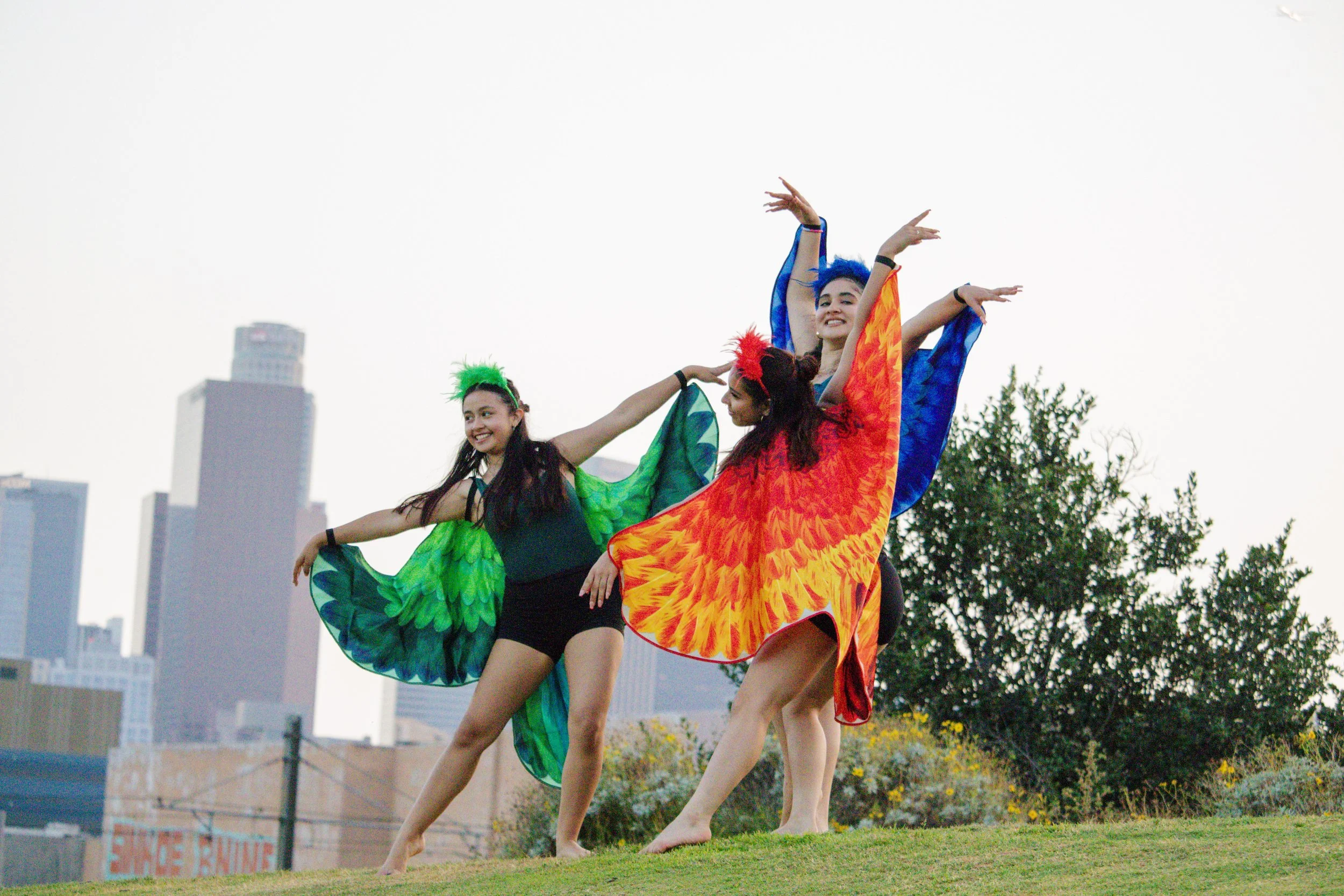
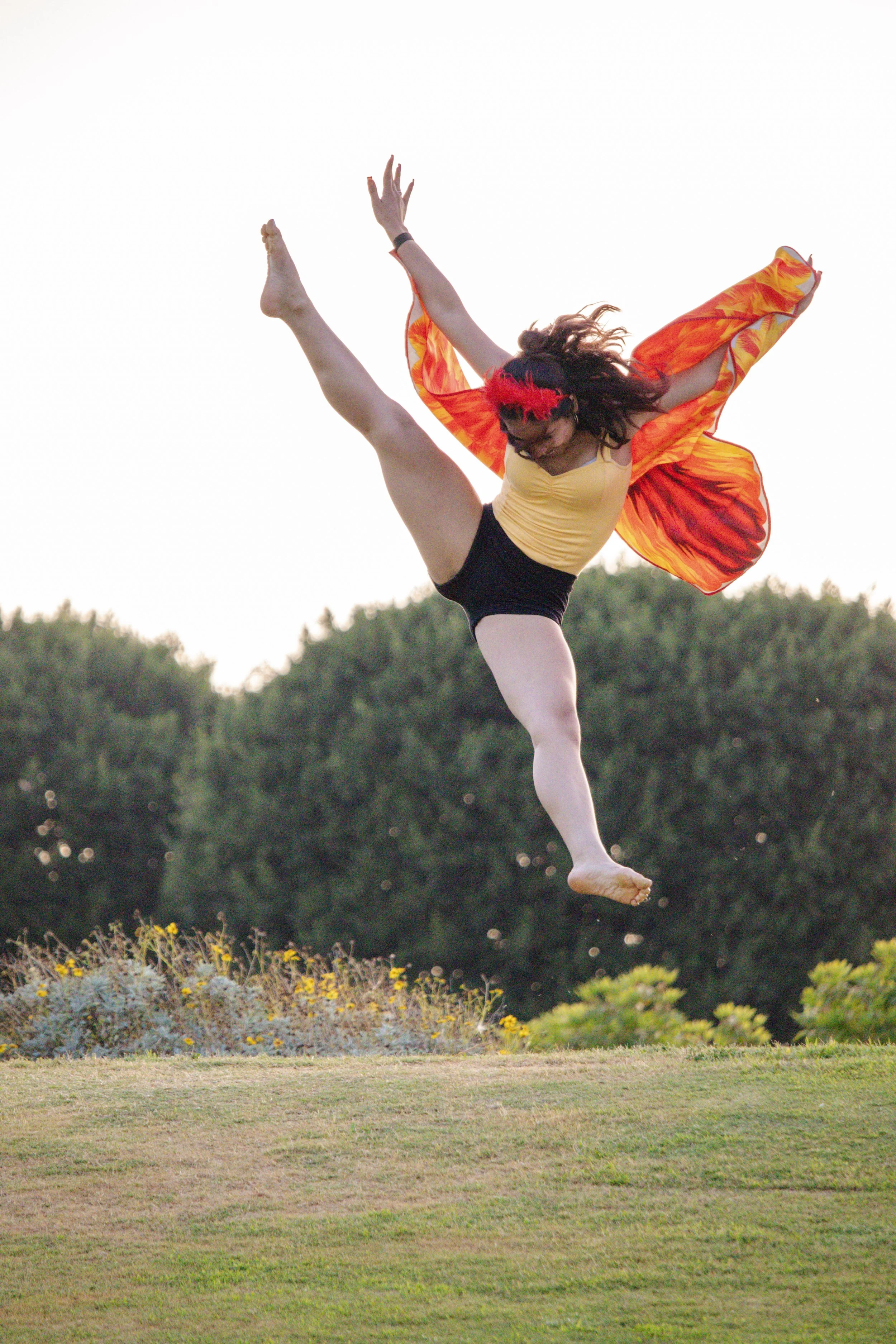
Wings of Tierra
Choreography: Anela Miranda, Ellie Parra, and Scarlett Solares
Performer: Anela Miranda, Ellie Parra, and Scarlett Solares
Music: “Real in Rio” by Anne Hathaway, Jesse Eisenberg, will.i.am, Jamie Foxx, George Lopez, and The Rio Singers
We wanted to create a piece that equally combined nature and community while also incorporating inspiration from Hispanic roots and culture. Our piece mimics bird-like movement and takes inspiration from birds and how they tend to travel together. We wanted to share a piece that celebrates Hispanic culture, but also connects with nature and things we find in it. Enjoy our celebratory dance; we are all so grateful to get to share this piece in this beautiful park alongside other amazing people.
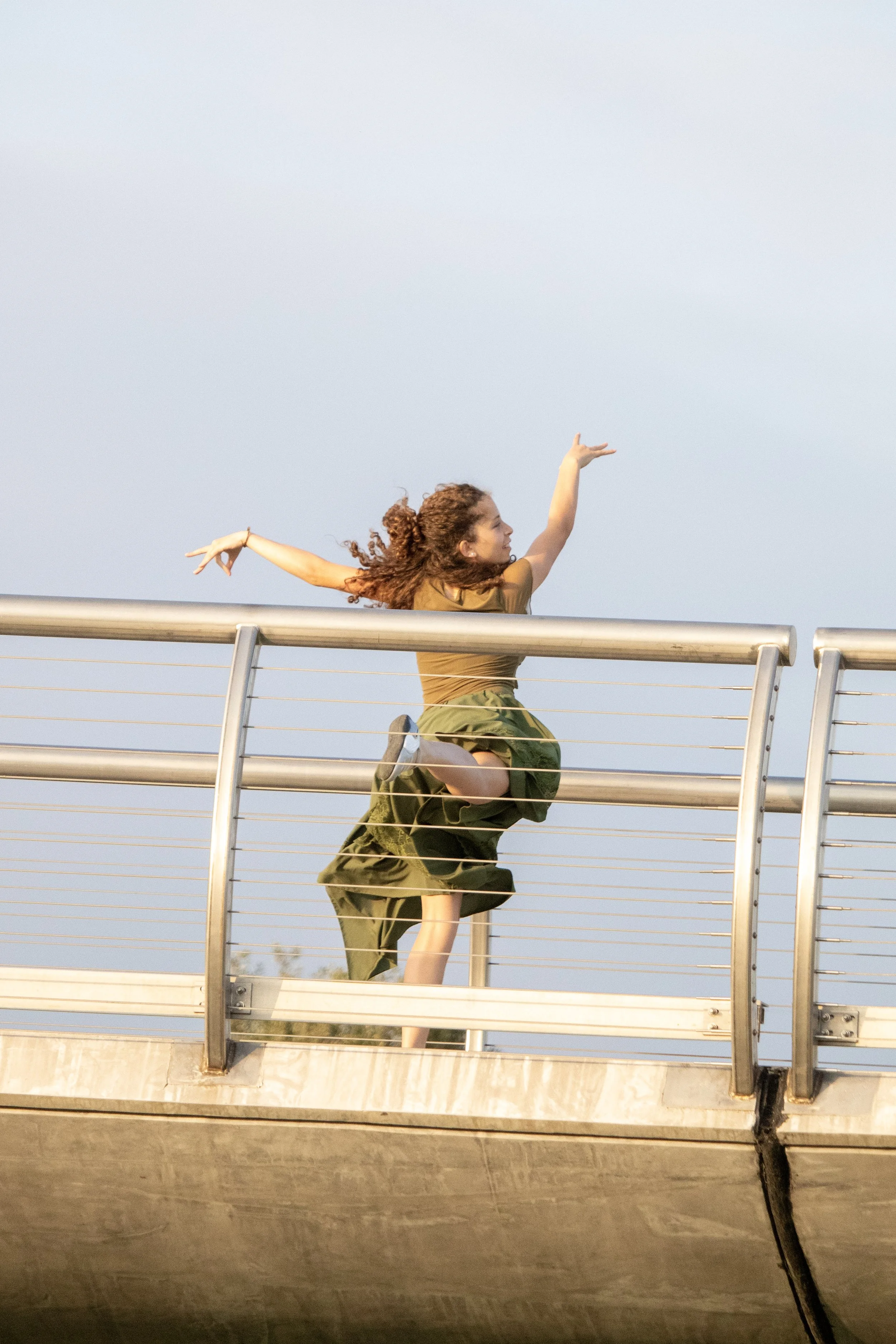
Kinship in Chaos
Choreography: Aubree Saunders
Performers: Isobel McTear, Aubree Saunders, and Bryce Taylor
Music: “Pretty Little Birds” (Official Instrumental) by SZA
Kinship in Chaos uses the architecture of the park bridge to imagine the upstairs and downstairs areas of a divine family home. By utilizing the different levels of the bridge and the space between its pillars, we translate the distance of family dysfunction into physical movement. We explore how ego can create rifts even among sisters with the power of gods. The choreography navigates the tension of these conflicting perspectives before ultimately finding a unified rhythm. This proves that even after chaos, we can return to collective harmony.
ACKNOWLEDGEMNETS
homeLA's inSITE currently supports students from the Dance Academy at Ramón C. Cortines School of Visual & Performing Arts and is produced in partnership with the Los Angeles State Historic Park and Los Angeles Unified School District. This program is supported by a California Arts Council Creative Youth Development Grant. Learn more at www.arts.ca.gov. homeLA is fiscally sponsored by Fulcrum Arts.
homeLA would like to thank the Los Angeles State Historic Park, Grand Arts Dance Academy, Los Angeles Unified School District, California Arts Council, Fulcrum Arts, Stephanie Campbell, Katelyn Williams, Diana Delcambre, Patrick Fitzsimmons, Monica Gelber, Martin Rodriguez, Vanessa Cruz, Megan Dorame, Lazaro Arvizu, Victoria Garcia, Mona Jean Cedar, Oliver Shipley, Christine Sandoval, Leo Rivas, Kaitwan Jackson, Jay Carlon, Andrew Mandinach, Bernard Brown, Jia Yi Gu, Jenny Landers, Kimberli Meyer, Mara McCarthy, taisha paggett, Melanie Ríos Glaser, Samuel Vasquez, Nicole Robinson, and Rebecca Bruno.
homeLA and the Los Angeles State Historic Park acknowledge the Tongva peoples as the traditional land caretakers of Tovaangar (the Tongva world, including the Los Angeles Basin, South Channel Islands, San Gabriel and Pomona Valleys, and portions of Orange, San Bernardino, and Riverside Counties) and are grateful to have the opportunity to work for the Taraaxatom (Indigenous peoples) in this place. As institutions located on unceded Indigenous land, we pay our respects to Honuukvetam (ancestors), 'Ahiihirom (elders), and ̓Evoohiinkem (our relatives/relations) past, present, and emerging.